Soft washing uses chemistry and control, not a magic label
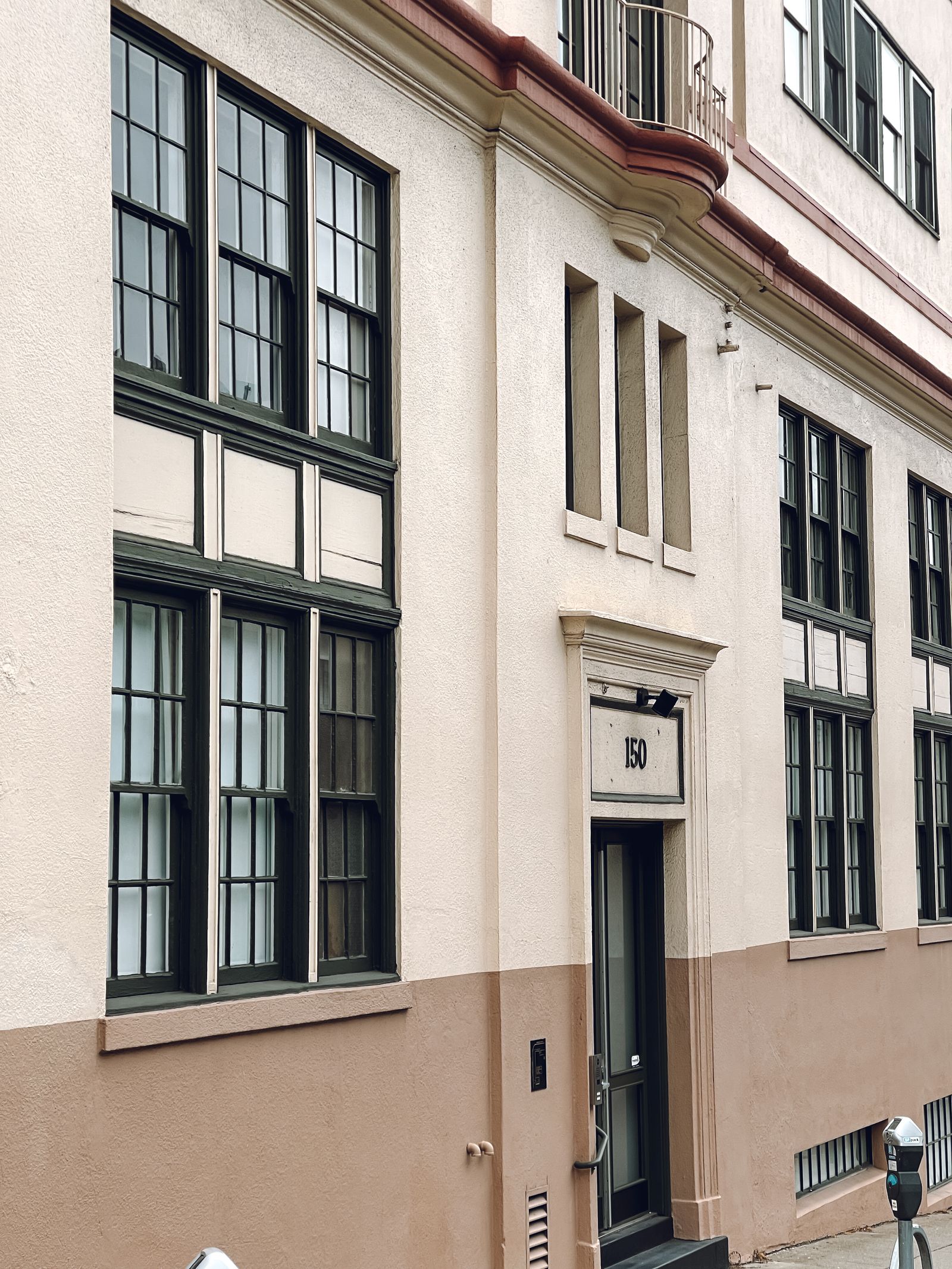
Soft washing generally combines a compatible cleaning solution, measured dwell time, and lower-impact rinsing for appropriate contamination. It may fit organic film, pollen, bird residue, algae-like growth, and ordinary atmospheric soil on tested brick, concrete, stucco, EIFS, painted finishes, and other compatible materials. Low impact does not mean risk-free. Dilution, dwell, temperature, sun, wind, rinsing, surrounding property, and substrate condition all matter. A chemical that is suitable for one finish may be wrong for another.
For a Wichita office, hotel, retail center, mixed-use building, warehouse, or medical property, soft washing can be useful on broad facade soil when the work zone and water path are controlled. It does not repair a leaking roof, failed sealant, cracked stucco, open mortar, spalled concrete, corroded panel, loose coating, damaged glass, or a freeze-thaw defect. A credible scope says what appearance condition is being addressed and which condition needs a mason, roofer, glazier, painter, corrosion specialist, or envelope professional.
Where pressure washing can fit around Wichita properties
Pressure washing may suit selected durable concrete walks, curbs, loading pads, service yards, parking structures, and other tested hardscape when the substrate, nozzle, distance, nearby finishes, and drainage support it. It can be useful where water impact is the appropriate way to release adhered soil. That does not make high pressure the right answer for every facade. Excessive impact can etch concrete, erode mortar, push water into joints, strip paint, damage stucco or EIFS, break seals, and carry dirty water beyond the intended zone.
A NewMarket retail center might use pressure on a tested concrete trash pad while storefront frames, signs, awnings, and glass receive another process. An Old Town property could have a durable service alley beside more sensitive masonry, patio finishes, and tenant doors. An airport or industrial corridor warehouse may have a concrete truck court that differs from insulated panels, dock seals, cameras, and electrical equipment. Compare each zone by material, condition, residue, desired finish, and operating risk instead of choosing one machine setting for the address.
Identify the residue before increasing pressure
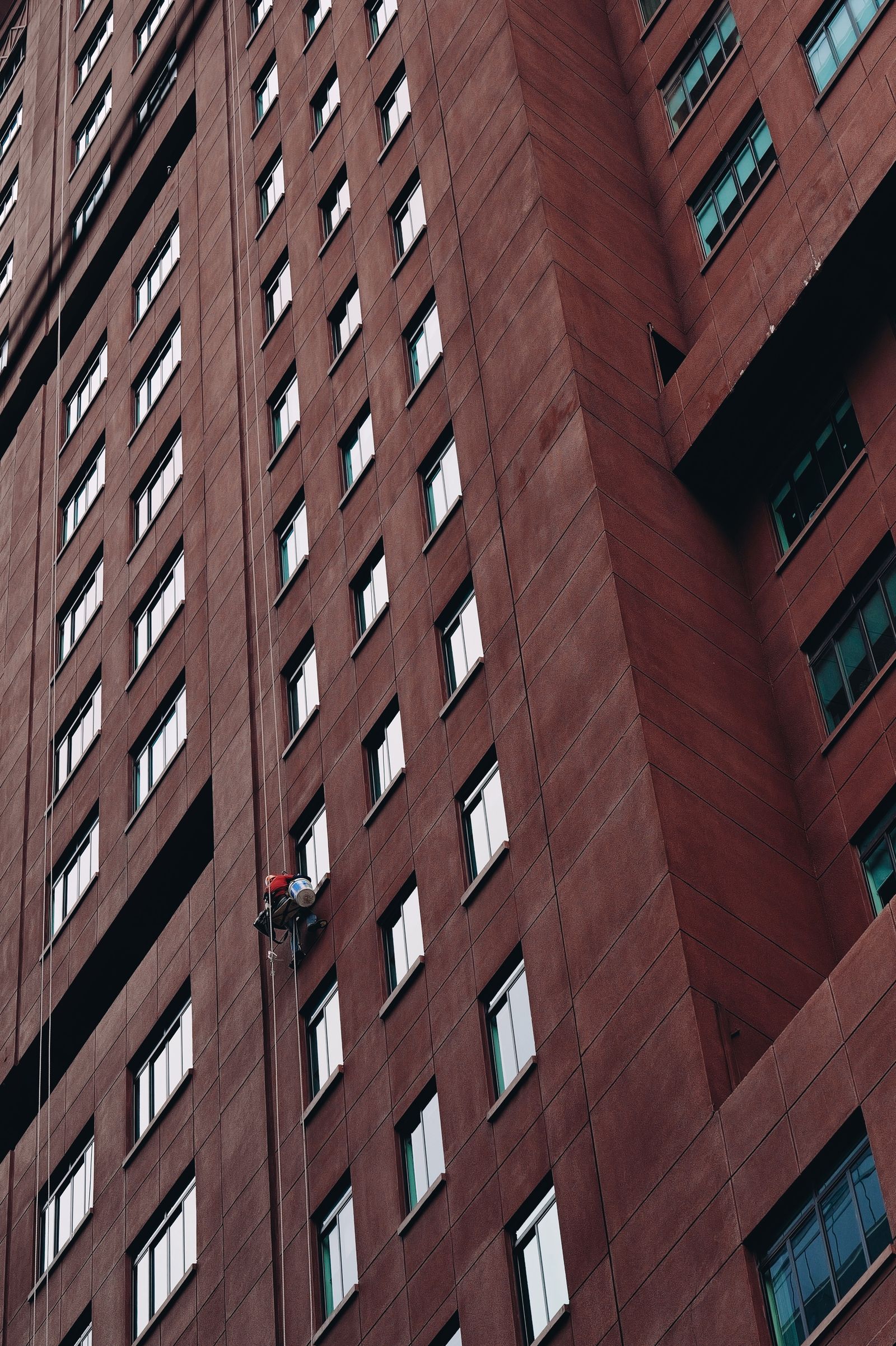
A dark or dirty-looking surface is not enough information. Windblown dust may sit on a ledge and rinse readily, while organic film may need compatible chemistry and dwell. White crust can indicate minerals or efflorescence. Rust-colored marks can come from oxidation or a nearby metal source. Black residue may involve soot, traffic film, or a coating issue. Hail can leave grit and damaged finish; freeze-thaw can open joints or break weak concrete. A drainage line below a parapet may return after cleaning unless the water source is corrected.
Review brick porosity, mortar condition, concrete age, coatings, glazing, panels, sealants, repairs, and previous cleaning history. A representative test area helps establish whether the deposit releases, whether the finish changes, and whether the expected result is realistic. If the test suggests mineral scale, oxidation, embedded soot, old coating failure, or a repair condition, the honest answer may be a specialty treatment or referral rather than more pressure. The method should follow the residue and substrate, not a sales headline.
- Classify the deposit as organic, mineral, oxidized, soot-based, storm-related, or drainage-related where possible.
- Inspect joints, sealants, coatings, glazing, panels, repairs, and freeze-thaw or hail-related conditions.
- Use a representative test area when finish history or cleaning response is uncertain.
- Separate routine washing from restoration, coating removal, glass polishing, and facade repair.
The method must fit downtown, Old Town, and retail operations
A process that is acceptable beside an empty service yard may be poorly suited to an occupied downtown office, Old Town restaurant, hotel, medical building, or retail center. Downtown and Old Town can have pedestrians, patios, events, apartments, deliveries, narrow staging, and multiple doors. NewMarket and other retail corridors can have customer peaks, drive-through lanes, shopping traffic, landscaping, delivery windows, and tenant signage. Airport and industrial sites may add truck courts, security gates, shift changes, restricted areas, and overhead obstacles. The same facade method can have very different site consequences depending on the address.
Ask the quote to explain staging, dwell time, rinse volume, noise, hose routing, barriers, public separation, open-entrance sequencing, and handback. A clinic may need patient drop-off and air intakes protected. A hotel may need arrivals and event loading available. A retailer may want work before opening. A warehouse may need truck traffic and security coordinated. A method is operationally suitable only when people, vehicles, deliveries, accessible paths, and emergency routes remain controlled.
Wichita weather changes both the result and the risk
Wind, dust, heat, hail, rain, lightning, and freeze-thaw conditions all influence a method choice. Wind can move dust back onto a rinsed elevation, carry droplets toward vehicles, disturb barriers, and make drone assistance unsuitable. Sun and heat can shorten dwell time or dry a wall unevenly. Rain can dilute chemistry and carry soil toward an inlet. Severe weather can leave debris, reveal damaged coping, or turn a planned access route into a slippery or obstructed path. Freeze-thaw damage should be documented instead of covered by a promise that washing will make the facade sound.
A weather-aware comparison includes temperature, wind, precipitation, lightning, surface moisture, drying expectations, visibility, and a rescheduling plan. A south-facing panel, shaded masonry wall, covered entry, and lower wall beside a parking lot may need different timing. If the forecast or field conditions move outside the agreed limits, pausing protects the building and the people using it. If a stain is actually mineral, oxidation, soot, coating failure, or drainage-related, the scope should explain the limitation rather than escalate pressure without a material reason.
Drone assistance is an access choice, not a washing method
Drone assistance may help on a suitable broad upper elevation when there is a safe launch and recovery area, enough stand-off distance, visual control, workable wind, public and vehicle separation, and ground coordination. It can reduce some lift repositioning on selected panels, ledges, parapets, or sign bands. It does not inspect concealed conditions, contact-clean glass, detail recessed trim, scrape bonded deposits, choose incompatible chemistry, or repair damage. Soft washing or pressure washing still has to be selected by material, residue, and desired outcome.
Wichita properties can include overhead lines, trees, rooftop units, signs, busy roads, pedestrians, truck traffic, neighboring tenants, and airport-related airspace. Applicable Federal Aviation Administration requirements remain part of commercial operations. Owner permission does not replace aviation compliance or automatically control overspray, people, vehicles, or runoff. If the ground zone, wind, airspace, or access is not favorable, a pole, lift, hand detail, roof-access, ground, hybrid, or rescheduled plan may be the better choice.
Compare water management and protection before comparing machines
Both methods create water-management responsibilities. Wichita sites may drain to curb inlets, grass swales, detention areas, parking-deck low points, or pavement that carries flow toward neighboring property. The product, soil load, rinse volume, slope, stormwater system, planted areas, and site rules matter. A nearby inlet is not automatic permission for treated water or sediment to enter it. Depending on the scope, controls may include diversion, collection, recovery, filtration, reduced rinse volume, plant protection, disposal, or coordination with the responsible authority.
Protection covers doors, accessible routes, vehicles, landscaping, patios, outdoor seating, cameras, electrical equipment, air intakes, and people. A low-pressure process can still harm a sensitive opening or create a slippery walkway. A higher-pressure process can be appropriate on one durable hardscape zone and damaging on a weak joint or coating. Ask for the method by zone, test-area process, access equipment, weather triggers, runoff assumptions, included elevations, exclusions, and documentation of remaining conditions. Those details allow a property team to compare outcome and risk rather than compare labels alone.
Choose the Wichita process from the property evidence
Ask the provider to identify the materials, likely soils, proposed pressure range, chemistry, test-area process, protection, drainage assumptions, access method, weather limits, and included elevations. Ask which portions use aerial assistance, pole work, lift work, hand detailing, or ground cleaning. Ask what is excluded and what happens if the deposit proves mineral, oxidized, salt-based, soot-based, storm-related, or connected to a repair. The best answer may be soft washing on one facade, controlled pressure on durable concrete, hand work at entries, and a separate referral for a building defect.
For a Wichita office, hotel, healthcare property, school, retail center, mixed-use building, warehouse, or industrial site, share the address, photos, approximate height, desired result, schedule constraints, water access, drainage information, and public or vehicle restrictions. Call +1 239-351-2897 or email contact@dronebuildingcleaners.com to get in touch with Drone Building Cleaners and request a property-specific quote. The conversation should make the next step clear without pretending that every stain or building needs the same method.